
Pensacola Mold Remediation
Property owners are concerned about rapid mold spore germination within 24 to 48 hours of water intrusion and how to objectively verify structural dryness. Our certified specialists deploy containment barriers and deep thermal diagnostics to stop fungal growth at the source. We eliminate hidden microbial threats to restore healthy indoor air quality across your living spaces.
Phone (850) 555-0139 to have us look.
Certified Environmental Remediation
The humid subtropical climate keeps outdoor dew points high, causing indoor mold outbreaks within 24 to 48 hours whenever air conditioning fails following water intrusion.
Homeowners managing flood recovery struggle to determine proper flood cut heights, wet insulation disposal protocols, and dry standards when operating commercial dehumidifiers.
A common pattern echoed in public discussions is how quickly hidden dampness ruins porous trim around older coastal cottages.
When moisture penetrates wall cavities, scheduling prompt water damage restoration across the property prevents secondary structural contamination.
Our crew relies on calibrated moisture meters and precision thermal cameras to track hidden moisture lines through subflooring.
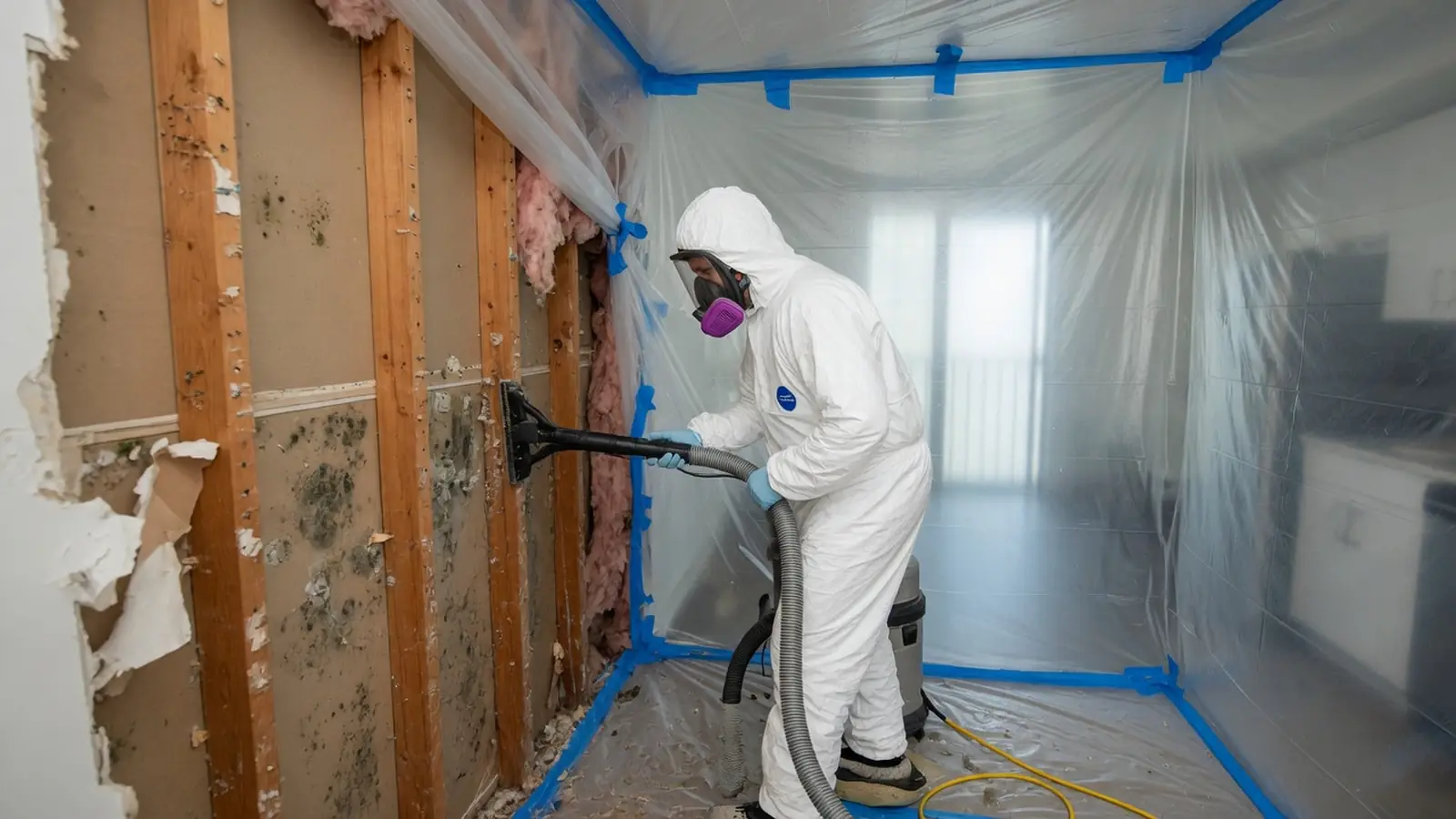
Every compromised room undergoes strict environmental isolation before any demolition or physical cleaning begins.
Our Step-by-Step Remediation Protocol
We follow rigorous containment and drying standards to eliminate active spore colonies without cross-contaminating your home. Public discussions frequently highlight the confusion surrounding hidden dampness, which is why our technicians verify complete equilibrium before finishing.
- Precision Moisture Scanning. Scanning walls and flooring is critical to locate hidden moisture pockets that evade surface inspection and fuel concealed mold growth. A pattern echoed in public discussions is that even when drywall surfaces feel dry after an overhead leak, residual moisture trapped inside interior wall cavities can cause undetected mold amplification.
- Containment And Spore Isolation. Certified remediation isolates active mold colonization with plastic poly barriers and negative air machines equipped with HEPA filtration to prevent spore dispersal. When standing water triggers widespread contamination, handling emergency flood cleanup with heavy extraction keeps dangerous microbials from spreading into adjacent living quarters.
- Porous Material Removal. Technicians cut away unsalvageable drywall, acoustic tile, and soaked fiberglass insulation down to sound framing. Because surface chemicals cannot eradicate rooted fungi, removing non-salvageable porous components remains essential for long-term safety.
- Deep Dehumidification And Air Scrubbing. Pairing industrial air movers with dehumidifiers and filtration systems removes evaporated moisture while preventing mold growth and odors. Continuous air exchange scrubs microscopic particulates until baseline air readings return to safe standards.
Our Uncompromising Clean Air Commitment
We stand firmly behind our strict containment protocols, negative air verification, and thorough structural drying practices. After severe weather strikes the coast, addressing exterior storm damage before fungi colonize saves thousands in structural repairs. Our technicians never cut corners on HEPA vacuuming or containment teardown until objective moisture readings confirm your property meets strict dry standards.
Attic And Crawl Space Remediation
Unventilated spaces easily trap rising humidity that feeds wood rot and fungal colonies. We isolate dark spaces, extract contaminated insulation, and scrub structural trusses.
HVAC And Air Duct Sanitization
Microscopic spores circulating through ductwork spread musty odors across every room. We clean duct lines and install high-efficiency filtration to stop recirculation.
Drywall And Subfloor Decontamination
Water intrusion seeps beneath finish flooring and behind baseboards. Our specialists remove compromised sheetrock, treat framing with antimicrobials, and dry underlying subfloors.
Our Commitment To Verified Cleanliness
We focus on rigorous containment barriers, advanced diagnostic metering, and uncompromising spore extraction to ensure every property achieves true structural dryness.
- 23Zip Codes Served
- 6Service Areas
- 3Services Offered
Read candid reviews from local property owners who trusted our certified crew to contain moisture hazards and clear stubborn spore growth.
“A previous handyman left exposed drywall dust and unsealed plastic everywhere without actually treating the framing rot. The crew took over immediately, set up true negative air machines, and removed all the moldy sheetrock properly. They completely resolved the lingering musty smell that the first contractor made worse.”
Marcus B.
“Getting a straightforward written estimate before work started gave us immense peace of mind during a stressful week. The team honored every line item without springing sudden change-orders or hidden decontamination fees at the final invoice. It was refreshing to work with tradespeople who stand firmly by their initial quote.”
Elena R.
“Every afternoon before packing up, their technicians swept the hallways, hauled away sealed waste bags, and taped off the containment airlock securely. We were able to sleep in our home each night knowing the work zone was cleanly isolated from our bedrooms. Their respect for our living space was outstanding throughout the entire remediation.”
David K.
“Detailed photo updates arrived on my phone every single morning showing the moisture meter readings behind the baseboards. I never had to chase them down for a status report because the crew lead sent clear summaries at each milestone. That level of transparency made managing an unexpected microbial issue completely painless.”
Sarah M.
Frequently Asked Questions
Does spraying household bleach kill toxic mold on drywall and wooden wall studs, or does the affected porous material need to be completely cut out?
Spraying household bleach does not kill toxic mold on porous drywall or wooden wall studs; the affected material must be physically cut out. Bleach only treats visible surface staining while moisture in the solution feeds subsurface fungal roots inside porous building materials.
How quickly does mold germinate after indoor water intrusion?
Mold spores routinely germinate within 24 to 48 hours of indoor moisture exposure, especially in warm climates with high ambient humidity. When air conditioning fails following plumbing leaks or roof breaches, elevated dew points accelerate fungal colonization behind baseboards.
How do technicians verify structural dryness after remediation?
Technicians verify dryness by comparing deep moisture meter probe readings against dry baseline standards taken from unaffected wood framing. Non-penetrating scanners locate hidden wet pockets, while pin probes quantify remaining moisture percentages inside wall cavities.
How long does professional mold remediation typically take?
Most structural mold remediation projects take between one and three days to complete containment, demolition, cleaning, and dry verification. The exact duration depends on the square footage under containment and the extent of subfloor or framing drying required.
Is containment necessary during indoor mold cleanup?
Plastic poly containment barriers and negative air machines are strictly necessary to prevent airborne spores from contaminating clean rooms. HEPA filtration traps microscopic spores dislodged during physical removal so they cannot circulate into unaffected living spaces.